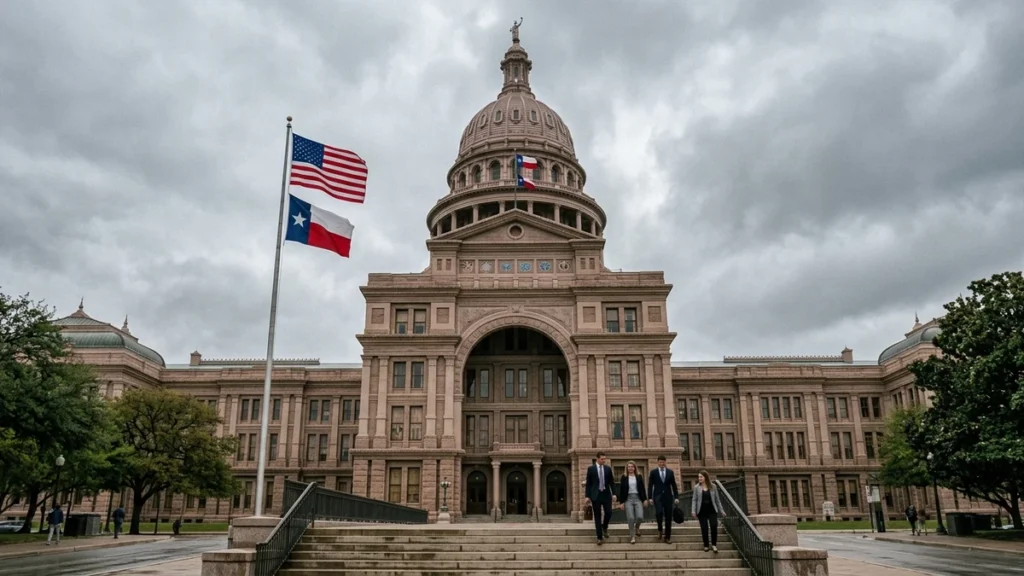
Texas just took aim at the biggest names in music streaming. On April 22, Attorney General Ken Paxton launched a formal Texas payola investigation Spotify Apple Music 2026 probe. His target is every major platform that might take secret cash to push certain songs into your playlist. If true, these backroom deals could shape what 600 million paying subscribers hear every day. That’s not a small thing — it could mean your “personalized” feed isn’t personal at all.
The probe names five companies: Spotify, Apple Music, Pandora, Amazon Music, and YouTube Music. Paxton sent each one a Civil Investigative Demand, which works like a subpoena forcing each platform to hand over records about hidden deals that boost songs in playlists or rankings. No one can say “no” to these demands. This is the first time any state AG has gone after streaming payola head-on, and the music industry took notice immediately.
What Payola Means in the Streaming Era
Payola is simple: getting paid to promote music without telling fans. The word goes back to 1938 and blew up in the 1950s when radio DJs took cash from labels to spin certain songs. Fans never knew their favorite DJ was being paid. Congress stepped in and made secret pay-for-play illegal under 47 U.S. Code § 508. The penalties were steep, and careers ended over it.
Here’s the catch: that law covers radio but doesn’t clearly cover streaming. Spotify and Apple Music aren’t “radio stations” under FCC rules, so the 1960s ban may not apply to playlists in 2026. That gap is why Paxton used Texas consumer protection law instead. He found a legal path that radio-era rules didn’t offer — a creative strategy that other states could copy.
“Music artists deserve to compete on a level playing field, not one distorted by bribes,” Paxton said in his official press release. “Listeners deserve transparency in what they are being recommended.” He warned that any service caught taking bribes “will be held accountable.” The message was clear.
Spotify’s Discovery Mode Under the Microscope
At the heart of this Texas payola investigation Spotify Apple Music 2026 case is Discovery Mode, which Spotify launched in November 2020. The deal is straightforward: artists give up 30% of their royalties, and in return, the algorithm pushes their songs to more people. Less money per stream, more streams overall. Spotify frames it as a choice artists make freely, but is it really free when you need exposure to survive?
Critics call it payola in new clothes. In November 2025, a listener named Genevieve Capolongo filed a class action suit in New York. She said Discovery Mode filled her playlists with Drake, Zach Bryan, and Justin Bieber tracks that had nothing to do with her taste, Forbes reported. She wasn’t the only user to complain about this pattern.
Spotify called the suit “nonsense” and hasn’t commented on Paxton’s probe yet. The company stayed quiet on this topic through all of April, and that silence speaks loudly.
Here’s the core tension. Artists who use Discovery Mode know what they’re signing up for — they chose less money for more reach, which is transparent on the artist side. But listeners have no idea. When a song shows up in your mix, you can’t tell if the algorithm picked it for you or if someone paid for that spot. That hidden layer is exactly what payola laws exist to prevent. The artist knows, but the listener doesn’t — and that imbalance is the whole problem.
How This Could Reshape Music Discovery
The Texas probe goes way beyond Discovery Mode. Paxton’s demands ask whether platforms entered “undisclosed financial arrangements” with labels or promoters to boost songs — no disclosure to fans, no way for listeners to know what’s organic and what’s bought.
That wording casts a wide net. It could cover:
- Label deals that bundle promo perks with lower royalty rates — all done behind closed doors
- Playlist manipulation where platforms look the other way when promoters buy spots
- Algorithm favoritism where certain catalogs get a boost without telling listeners
Wall Street noticed right away. Spotify shares fell about 3% on April 22 before bouncing back, Investing.com reported. Barron’s noted the stock “whipsawed,” meaning it swung sharply in both directions. Investors can’t tell yet how big the hit might be, and the uncertainty alone hurts stock price.
Meanwhile, streaming fraud is already a criminal matter. A North Carolina man faces prison after an $8 million fake streaming conviction. That case proved how bot farms drain the royalty pool real artists depend on. Secret payments for promotion and outright fraud both hurt the same people: independent musicians trying to build careers on merit.
A Pattern of Legal Pressure on Streaming
This probe doesn’t exist alone. The Live Nation-Ticketmaster monopoly verdict dropped just days earlier. Together, these cases show the music industry faces legal heat on multiple fronts. Regulators are watching entertainment market power more closely than they have in decades, and the era of unchecked platform dominance may be ending.
Rapper RBX filed his own class action against Spotify too, claiming the company lets superstars game the system. His suit named Drake as a beneficiary of artificial boosts. The irony? Drake once accused Universal Music of using shady marketing to pump Kendrick Lamar’s “Not Like Us.” Everyone points fingers and nobody admits anything as the lawsuits keep piling up.
There’s also the AI content flood to consider. Deezer says 44% of daily uploads are now AI-made, and nobody knows if algorithms treat human and AI music the same way. With 140,000 tracks hitting platforms every single day, playlists hold more power than ever. Their role as gatekeepers grows bigger each month, and the question of who or what gets promoted matters more now than at any point in music history.
Here’s the deeper issue. Streaming platforms wear three hats at once: they distribute music, curate playlists, and sell ads. When those roles overlap without transparency, the line between fair promotion and payola disappears. That’s the fundamental problem Paxton wants to solve.
What Happens Next
Civil Investigative Demands force companies to turn over documents and answer under oath. The probe is early, and results could range from “nothing wrong” to fines, forced rules, or more legal action. These cases can take months or years to resolve.
For artists, the stakes are high. If secret payments really shape what listeners hear, it confirms what many indie musicians have long believed. Success on streaming isn’t just about talent — playlist access depends on money and relationships invisible to fans. That would force a huge rethink of fairness in the industry and give ammunition to anyone arguing for platform regulation.
For listeners, the question is simpler. When Spotify drops a song in your Daily Mix — is it there because you’ll like it, or because someone paid? Your answer to that shapes how you feel about “personalized” music, and it’s the biggest trust question in streaming right now.
The most innovative music companies of 2026 are already trying different paths. SoundCloud killed its distribution fees, and other platforms now label paid placements clearly. Whether this Texas probe speeds up that industry-wide shift remains an open question, but the old way of doing things is under fire.
Stay Informed on Music Industry Developments
The Texas payola investigation Spotify Apple Music 2026 probe is one of the biggest tests streaming has ever faced. The findings could change how platforms handle artist promotion and discovery for years to come.
For the latest on music tech, streaming rules, and industry news, visit PopHits.co.
About The Author