For two decades the music business chased scale: more streams, more playlist adds, more monthly listeners. In 2026 the smartest money is chasing something narrower and far more valuable: the small share of listeners who will pay for more than a subscription. This is the superfan economy, and it is reshaping how platforms, labels and independent artists think about revenue.
The logic is simple. A casual listener is worth a fraction of a cent per stream. A superfan will buy the vinyl, the ticket, the merch and, increasingly, a premium add-on on top of their subscription. The industry has finally built products to capture that difference, and the shift touches every artist deciding where to spend their time.
What the Superfan Economy Actually Is
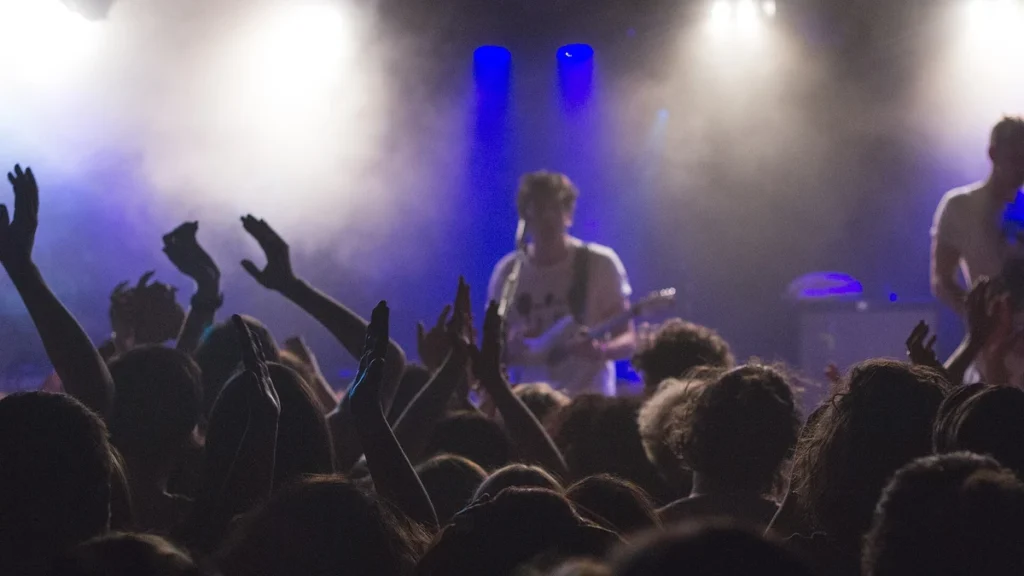
Superfans are not a vibe; they are a measurable segment. According to Luminate data reported by Music Business Worldwide, roughly 20% of US music listeners now qualify as superfans, up from 18% a year earlier. They spend around $113 a month on live music, about 66% more than the average listener, and 90% of them attend live shows versus 59% of listeners overall. They also spend 105% more on physical music and are nearly three times as likely to buy merchandise.
Those numbers explain the gold rush. If a fifth of your audience spends dramatically more across tickets, merch and physical formats, the opportunity is not to squeeze more streams out of everyone, but to serve the people already leaning in. It also reframes what “success” looks like: a mid-sized artist with a few thousand true believers can out-earn a viral track with millions of passive streams, because the believers keep coming back and keep spending.
Spotify Places Its Biggest Bet Yet
The clearest signal that the superfan economy has gone mainstream is Spotify’s long-rumoured premium tier, widely reported as “Music Pro.” Reports indicate it would cost up to $5.99 a month on top of a standard Premium plan, pushing a full subscription toward $18, with perks such as early access to concert tickets, higher-fidelity audio and AI-assisted remix tools. Universal Music Group’s finance chief Boyd Muir, who first named the product publicly, has suggested 20% to 30% of paying subscribers could eventually opt into a superfan tier as part of the industry’s “Streaming 2.0” push toward higher revenue per user.
For a platform that has spent years defending its per-stream payouts, the appeal is obvious: a superfan tier grows revenue without adding a single new user. Whether Spotify can secure the rights and deliver the perks at scale is still an open question, but the direction of travel is set.
Reserved Tickets and the Live-Music Land Grab
The premium tier is still partly speculative. What is already live is “Reserved by Spotify,” which launched in the United States on 18 June 2026. The feature holds two concert tickets for each designated superfan before general sale, in a partnership with Live Nation, with tickets sold through Ticketmaster. Eligibility is limited to Premium subscribers over 18, and Spotify says streams and shares feed the selection algorithm, which it keeps deliberately opaque to stop people gaming it. The first artist to use it, Role Model, opened superfan booking on 23 June ahead of a fall 2026 tour.
Live music is where superfans spend the most, so it is no surprise that the fight for their attention is moving to the box office. It also arrives against a charged backdrop: in April 2026 a jury found Live Nation had operated as a monopoly in a US Department of Justice case, a reminder that consolidation in ticketing remains contested even as new fan features roll out.
AI Covers, Remixes, and the New Paid Add-Ons
Superfan monetisation is not only about access; it is also about participation. In a landmark licensing agreement announced on 21 May 2026, Spotify and Universal Music Group cleared the way for fans to create AI-assisted covers and remixes of participating artists’ songs as a paid add-on, covering both recorded music and publishing rights. Crucially for creators, artists and songwriters “directly share in the value generated,” on top of what they already earn. Spotify co-CEO Alex Norstrom framed the tool as “grounded in consent, credit, and compensation,” while UMG chief Lucian Grainge called it “artist-centric, rooted in responsible AI.”
The pattern is consistent: turn the most engaged listeners into paying participants, and make sure rights-holders get a defined cut rather than fighting the technology after the fact.
The Real Money Is Still Direct to Fan
For independent artists, the most durable version of the superfan economy does not run through a major platform at all. The maths is stark: 1,000 genuine superfans paying $10 a month is $120,000 a year, roughly what an artist would need about 30 million annual Spotify streams to match. That gap is why direct-to-fan tools keep growing. Patreon reports more than 8 million active patrons; Bandcamp remains the trusted storefront for independent and underground scenes; and Discord communities and Substack’s move into audio give artists recurring, owned relationships with the people who care most. Our deep dive into the fan-funding model covers how those subscription tiers work in practice.
The most striking part is who benefits. The tier that direct-to-fan infrastructure is finally making sustainable is the mid-sized artist with 50,000 to 500,000 engaged listeners, historically too big for a hobby and too small for a major-label campaign. For years that middle was a dead zone, with the streaming payout too thin to live on and the label machine reserved for stadium prospects. Superfan tools change the shape of that curve, letting an artist convert a modest but devoted audience into a real, recurring income without a record deal or a viral moment.
What It Means for Independent Artists
For an independent artist, the superfan economy reframes the whole growth question. Chasing viral reach is still useful for discovery, but it does not, on its own, create the dedicated audience that pays the bills. The practical move in 2026 is to build a small number of ways for your most committed listeners to spend more: a fan subscription, limited physical runs, presale access, and community spaces you actually own. K-pop has proven the template at scale, with fan clubs, collectible physical editions and parasocial content strategies now being adapted by artists across Latin America, Africa and Southeast Asia.
Labels have noticed. Traditional 360 deals, where a label takes a slice of touring and merch, are under pressure from artists who can now generate those revenue streams themselves, and shorter, higher-royalty distribution deals are becoming more common as a result.
The Trade-Offs Worth Watching
None of this is free of tension. Superfan tiers risk asking the most loyal listeners to pay repeatedly for access that was once included. Algorithmic selection, as with reserved tickets, concentrates power in whoever designs the algorithm. And leaning on a single platform, whether a streaming service or a ticketing giant, trades convenience for dependency. The independent artists who benefit most from the superfan economy will likely be the ones who use the big platforms for reach while keeping a direct line, and a direct payment, to the fans who matter most.
There is also a discovery cost to weigh. Superfan features reward the artists who already have devoted audiences, which can widen the gap between established acts and newcomers still building a base. The counterweight is that direct-to-fan tools are cheap to start and open to anyone, so a new artist can begin cultivating superfans from their very first release rather than waiting for a label to anoint them.
Either way, the volume game is no longer the only game. In 2026, knowing who your superfans are, and giving them something worth paying for, is quickly becoming the difference between a hobby and a career.
About The Author