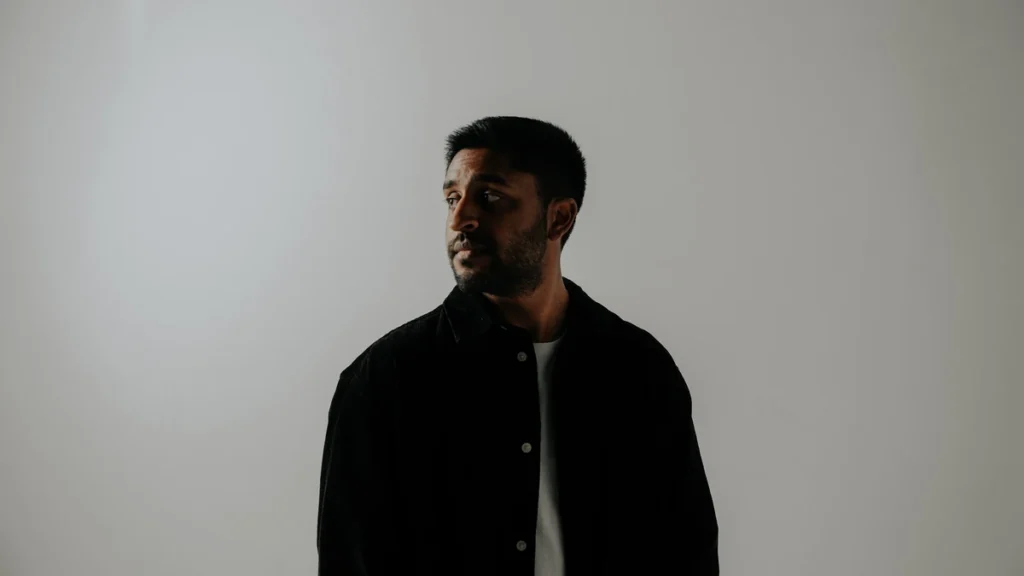
The first Josh Sahunta heard of it was a text from a friend and collaborator, asking why he had taken his album off Spotify. He had not. Mellowdrama, a 2022 record he wrote and recorded himself and released through DistroKid, was one of his most-streamed projects and a significant part of his royalty income. Much of it was suddenly greyed out on Spotify, and before long it was gone from Apple Music and YouTube as well.
Sahunta, a singer-songwriter now based in Nashville, is one of a number of independent artists who found music removed by DistroKid, the largest distributor by volume, in the weeks after Universal Music Group sued it. DistroKid has confirmed that a very small number of recordings were taken down in response to UMG’s claims. Some of the artists say what disappeared was made by humans, with nothing borrowed at all.
How an Album Disappears
Sahunta could find no reason for the removals until he reached DistroKid’s customer support. He told Rolling Stone that he was informed the album had been flagged for copyright infringement, without being told which recording he had supposedly infringed or which rightsholder had made the claim.
The flag came with a copyright strike on his account. That froze his royalty payments and could make future releases harder. He sent a run of emails trying to fix the mistake, heard nothing back, and posted about it on Instagram. His comments and messages filled with other artists describing the same problem.
As of Monday 12 October, much of Mellowdrama was still greyed out on Spotify and unavailable on Apple Music and YouTube. Other distributors have since offered him deals, but he told Rolling Stone he is wary that the same thing could happen anywhere. His broader point was about leverage: independent artists make up most of the music on streaming services, he argued, yet they have the least power to defend themselves when something goes wrong.
What UMG Alleges
The lawsuit was filed on 15 September in the US District Court for the District of Delaware by UMG Recordings, Capitol Records and Capitol CMG. It accuses DistroKid of deceptive trade practices and copyright infringement, and of flooding streaming services with mass-produced AI-generated tracks that divert revenue and listeners from legitimate artists.
The complaint goes into detail. It says DistroKid lets users upload unauthorised remixes and sped-up versions of protected songs, and instrumental copies with new vocals laid over them, sometimes with protected album art attached. It singles out high-volume accounts with names like Lofi Chill, Chill Flow Radio and Mellow Vibes Radio, which distribute hundreds of tracks a month, and says a technical analysis found most of their output to be raw files from the AI song generator Suno.
The numbers in the filing are large. Music Business Worldwide reports that UMG’s exhibits list 1,000 of its recordings it says were copied, that its investigation had identified nearly 2,000 infringing DistroKid-delivered recordings, and that DistroKid delivered nearly 12 million tracks to one unnamed streaming service in six months, more than half of everything that service received.
UMG also argues that when a platform’s rights system flags a conflict and DistroKid gives up its claim there, it keeps sending the same recording to other services. It wants an injunction requiring DistroKid to remove infringing tracks from every service and to close the accounts of repeat infringers. In a footnote, the complaint says the case is not about AI-generated music that is clearly disclosed as such.
The Artists Caught in the Middle
The complaints from artists have a pattern: no notice, no named claimant and slow answers. A musician called McGwire said six of his songs were removed, including a cover of Stevie Wonder’s “Isn’t She Lovely” that he says was licensed, and a track built on a beat he bought on a marketplace that other artists had also licensed. Another was pulled over an alleged uncleared sample of a song that, he says, came out two years after his own.
McGwire said he had to contact DistroKid himself to find out what had happened, and first went through a long, circular exchange with a bot before reaching a person. The rapper Insane Ian said an original song of his was taken down with no warning or explanation. King Chase said an entire album by an artist he works with was removed after three or four years online without a single strike, Wilson’s Media reports. Music Ally found another artist on Reddit rearranging a 16 October album launch after the record was rejected over a sample they say was licensed.
MBW and TMN both note that they have not independently verified the rights status of these recordings, or whether each removal was among those made for UMG. Customer service is a recurring theme in the complaints, and Billboard recalls reporting in October 2024 that DistroKid had downsized its US artist relations and quality control teams and moved some of that work to the Philippines.
What DistroKid Says
Amanda Ferri, DistroKid’s vice president of artist services, confirmed the removals to The Verge, which first reported them, and to Billboard. She said only a very small number of recordings were affected, that the company strongly disputes the allegations behind the lawsuit and regrets the disruption, and that it is working to minimise it while protecting artists’ ability to release music.
It is not clear how many legitimate artists have been affected, or how human-made records were swept up. Joel Gouveia, an artist manager who wrote about the takedowns on his Substack, told Rolling Stone he believes DistroKid probably used an algorithmic or AI-based tool to find suspect tracks. Those detection tools are still new and imperfect, he said, and in his view the company chose mass takedowns over slower human review, though he expects the mistakes to be fixed.
DistroKid was a founding member of the Music Fights Fraud Alliance in 2023 and remains a member. It was not among the signatories when the IFPI launched its Streaming Integrity Initiative on 14 September, the day before the suit was filed. In July, private equity firm CVC Capital Partners agreed to buy a majority stake in the company. MBW had reported in January that a sale at around $2 billion was under discussion.
What Affected Artists Can Do
DistroKid’s published guidance gives one route back. An artist who believes in good faith that their music was removed through misidentification or mistake can file a DMCA-compliant counter-notice. Once a valid counter-notice arrives, the company says it must wait 10 business days before reinstating the content or allowing a re-upload.
Reinstatement is not guaranteed. The same guidance says streaming services may decide not to restore content under their own terms and policies, and DistroKid’s distribution agreement reserves the right to pull a recording whenever it receives a legal claim about it. The Music Network notes that DistroKid’s cover-licensing guidance treats newly performed covers differently from remixes and recordings with samples, which its licensing service does not cover.
A Wider Fight Over Distribution
This is not UMG’s first case against a distributor. In November 2024 it sued Believe and its TuneCore unit, alongside ABKCO and Concord, seeking at least $500 million over tracks credited to sound-alike names such as Kendrik Laamar and Jutin Biber. UMG and Believe settled in April 2026, with the claims dismissed and terms undisclosed. UMG is also still in litigation with Suno over the training of its model.
Regulators are asking similar questions. TMN points out that the US Copyright Office’s inquiry into streaming fraud includes questions about distributors’ content checks and removal practices, a separate process from the lawsuit. We covered that inquiry when the Copyright Office asked ten questions about streaming fraud.
For artists, the argument is now less about whether low-effort AI uploads should be removed and more about who pays when the clean-up is done in bulk. The takedowns that caught artists like Sahunta appear to stem from a dispute between two companies. The cost, in frozen royalties and missing catalogues, landed on the people who use the service.
PopHits.co’s curator team:
Every independent release should come with its own paperwork folder: the licence for each cover, sample or bought beat, the session files, and the date it went live. It feels like admin until the day a takedown arrives with no explanation. Then that folder is the whole counter-notice, and the difference between waiting weeks and getting the record back.
About The Author