
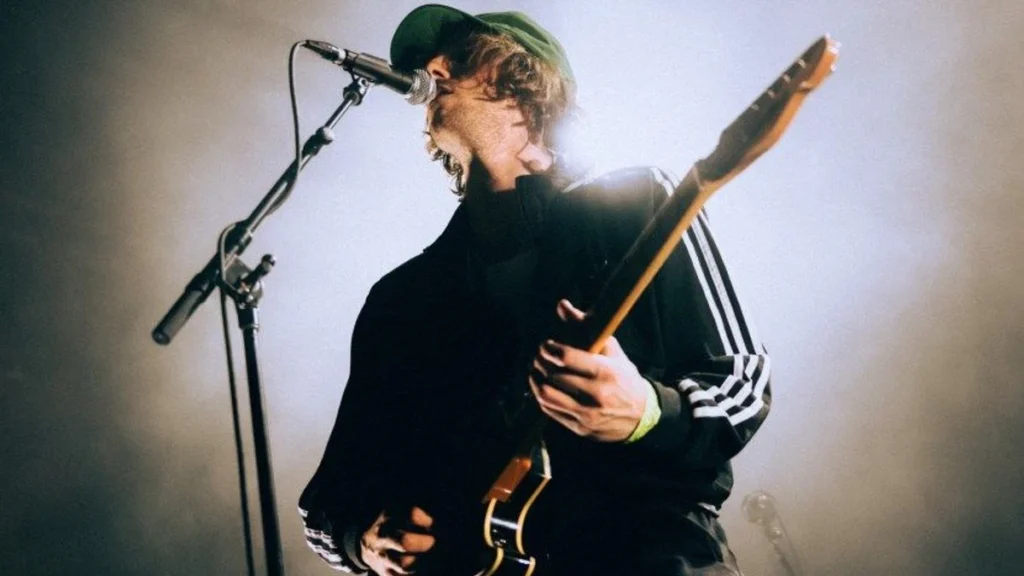
Music, Film, TV and Political News Coverage | PopHits.Co | Photo via rollingstone.com — used under fair-use editorial license
The Post-Stadium Hangover: Why Bigger Isn’t Always Better
The live music industry has spent years in an arms race for scale. Blockbuster tours from titans like Taylor Swift (The Eras Tour) and Beyoncé (Renaissance World Tour) have shattered revenue records. These globe-spanning events showcase the incredible power of stadium-sized productions. While cultural milestones, their very scale has created a ripple effect of fatigue among fans and artists alike. This is a key catalyst for the burgeoning small-venue revival, a trend poised to redefine the concert experience in 2026.
For the average fan, seeing a favorite artist has become a battle. They face astronomical prices, dynamic ticketing algorithms, and the logistical nightmare of navigating massive crowds. The controversy surrounding platforms like Ticketmaster is a constant headline. Fans feel alienated by a system that often prioritizes profit over access. The experience inside the venue can be equally impersonal. A nosebleed seat in a 70,000-capacity stadium offers a vastly different connection to the performance. It’s often diminished compared to seeing an artist up close.
This growing dissatisfaction is creating a powerful demand for an alternative. Fans now crave intimacy, authenticity, and community. These are inherent strengths of smaller performance spaces. Audiences want a memorable experience, not just a massive spectacle. This pushes them to rediscover the magic of seeing an artist up close. They can see facial expressions and feel the crowd’s energy directly. This collective yearning is laying the groundwork for a significant market shift.
Artist Economics and the Search for Sustainability
While fans are feeling the pinch, artists are also re-evaluating the financial and creative calculus of touring. For the top 0.1% of global superstars, stadium tours are immensely profitable. However, for most working musicians, including established mid-tier acts and emerging artists, the economics of large-scale touring are daunting. Such tours are often unsustainable.
High production costs, venue fees, and the pressure to sell tens of thousands of tickets per night create immense financial risk. Streaming royalties from services like Spotify and Apple Music provide a modest and often unpredictable income. In this era, live performance remains the primary driver of revenue. The small-venue revival offers a more viable path forward. By playing in 500 to 3,000-capacity rooms, artists can significantly lower their overhead. They can also maintain a direct and profitable relationship with their fanbase.
Merchandise sales, for instance, are often more lucrative at smaller shows. The connection between artist and fan is stronger there, leading to higher per-capita sales. Furthermore, successful tours of smaller venues build a dedicated, grassroots following. This fanbase is more resilient and engaged than one built on fleeting viral moments. Artists like Chappell Roan demonstrate this model’s power. She built a fiercely loyal fanbase through relentless touring in clubs and theaters, long before breaking into the mainstream. This approach fosters career longevity over short-term hype, a trade-off many artists are now willing to make.
A Cultural Shift Towards Intimacy and Authenticity
Beyond the economics, the small-venue revival reflects a deeper cultural shift. In a digitally saturated world, audiences are placing a higher premium on authentic, tangible experiences. The curated perfection of social media has created a counter-movement. This movement values raw, unpolished, and unique moments. A show at an iconic club like The Troubadour in Los Angeles or The Bowery Ballroom in New York City is more than just a concert. It’s a unique event, imbued with history and a sense of belonging.
Even major artists are tapping into this sentiment. Sabrina Carpenter recently played a surprise show at The Bowery Ballroom. This happened after her headlining set at a major festival. The move generated immense buzz and goodwill. These underplays are a smart marketing tactic, but they also signal a recognition that the energy of a small room is irreplaceable. It allows artists to experiment, connect with their most dedicated fans, and return to the roots of their craft.
This trend is about more than just nostalgia. It’s a forward-looking movement that re-centers the artist-fan relationship. A smaller venue fosters a shared experience. The barrier between the stage and the audience feels permeable. This two-way energy exchange is the essence of live music. Even the most advanced LED screens and stadium pyrotechnics cannot replicate it. As we head towards 2026, this demand for genuine connection will only grow stronger.
Technology’s Role in Empowering the Small-Venue Revival
Ironically, the same digital revolution that upended music distribution is now providing the tools to fuel the small-venue revival. Technology plays a crucial role in leveling the playing field. It makes it easier for independent artists and venues to thrive. One of the most significant areas of innovation is ticketing. Companies like DICE have built their brand on a fan-first model. They use mobile-locked tickets and controlled waiting lists. This combats scalping and ensures fair access. This not only protects fans but also gives artists more control over their ticketing revenue and data.
Beyond ticketing, social media platforms allow artists to market tours directly to their followers. This bypasses the need for expensive traditional advertising campaigns. An artist can announce a small club tour on their own channels and sell it out within hours. This would have been impossible two decades ago. This direct line of communication is essential for building and mobilizing a fanbase for a small-venue tour.
Venue management software and analytics tools help small operators run more efficiently. They assist with booking, promotion, and day-of-show logistics. This technological infrastructure creates a more robust and resilient ecosystem for small venues. Historically, these venues faced thin margins and high operational challenges. As these tools become more sophisticated, they will further lower the barrier to entry. This benefits both artists wanting to tour and entrepreneurs looking to open new spaces.
What This Means for the Music Industry in 2026 and Beyond
The small-venue revival does not indict stadium tours. These will continue to be a vital part of the industry for superstar acts. Instead, it represents the development of a healthier, more balanced live music ecosystem. Industry observers writing for publications like Billboard and Rolling Stone note that a thriving club and theater circuit is essential for artist development.
In this new landscape, record labels and artist managers may shift their strategies. They might invest more in long-term artist development through grassroots touring. This means less chasing immediate, high-risk arena plays. This could lead to a more diverse and interesting music scene. Artists would have the time and space to hone their craft. They could also build a career from the ground up. It also pressures operators of mega-festivals like Coachella and Lollapalooza to innovate. Fans will have more intimate and affordable options competing for their entertainment budget.
For 2026 and beyond, the industry will likely see a bifurcated model. Massive, spectacle-driven events will remain at the top. These will be supported by a vibrant network of revitalized small and mid-sized venues. This network serves as the industry’s lifeblood. This is not a regression, but an evolution. It prioritizes sustainability, authenticity, and the fundamental human connection that makes live music so powerful.
The recent Live Nation Ticketmaster monopoly verdict validates this fan frustration. It is set to reshape the ticketing landscape for years to come.
How to Support the Small-Venue Revival
As a fan, you are the most important part of this movement. Supporting the small-venue revival is simple: go to shows. Seek out emerging artists playing in your city. Buy a ticket to see a band you’ve never heard of at a local club. Purchase merchandise directly from the artist’s table. Your participation sends a clear message to the industry about the kind of live experiences you value. By investing in your local scene, you are not just having a great night out—you are helping to build a more sustainable and exciting future for music.
About The Author