
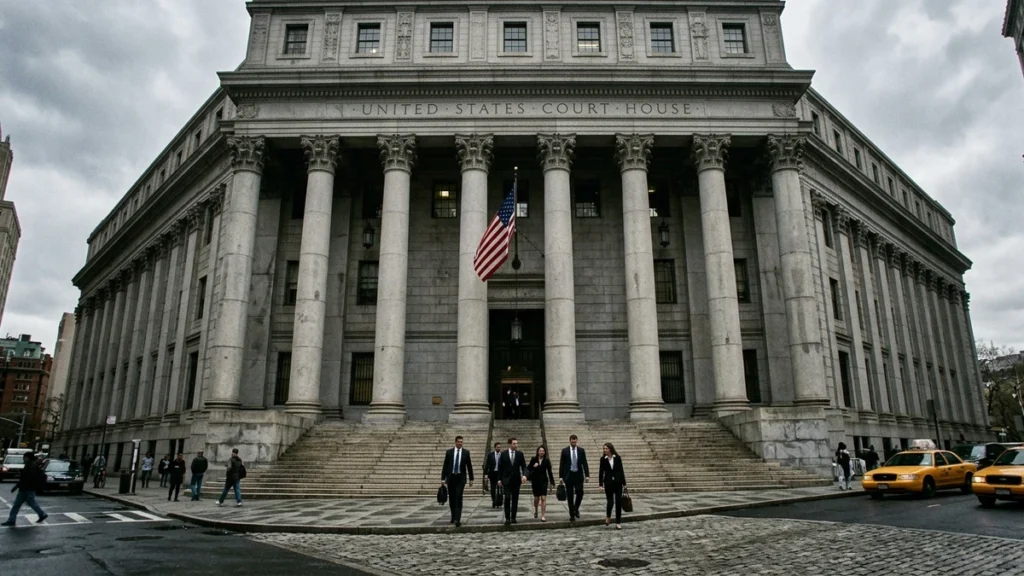
The Live Nation Ticketmaster monopoly verdict landed on April 15, 2026. A federal jury in Manhattan found that the entertainment giant ran an illegal monopoly. The ruling confirmed what artists, venues, and fans have said for years: one company’s grip on live music drove up prices and crushed competition. The verdict came after four days of deliberation.
Thirty-three state attorneys general and the District of Columbia brought the case — even after the U.S. Department of Justice struck a separate $280 million deal with Live Nation in March. A second trial will now decide remedies. That could mean breaking up the company. The jury found Ticketmaster overcharged states by $1.72 per ticket. The fallout could reshape the entire live music world.
What the Jury Actually Decided
After a lengthy trial in New York federal court, the jury reached a clear conclusion. Live Nation and Ticketmaster ran a monopoly in live events and ticketing. The finding was damning. The company unfairly controlled too many parts of live entertainment — hurting venues, artists, and fans alike.
“For far too long, Live Nation and Ticketmaster took advantage of fans and artists by raising ticket prices and stifling any competition that threatened their power,” New York Attorney General Letitia James said. “A jury found what we have long known: they broke the law and cost consumers millions.”
Key verdict number: The jury found Ticketmaster overcharged consumers by $1.72 per ticket — matching the states’ estimate. A judge will set the total damages in a second proceeding.
The Live Nation Ticketmaster monopoly verdict is not the final word. Live Nation plans to appeal. The company said: “The jury’s verdict is not the last word on this matter. Pending motions will determine whether the liability and damages rulings stand.” U.S. District Judge Arun Subramanian told both sides to propose next steps. The fight is far from over.
How the Case Got Here: From DOJ Settlement to State Victory
Live Nation merged with Ticketmaster in 2010. That deal created a giant that controlled concert promotion, artist management, venue operations, and ticketing under one roof. In 2024, the Biden-era Justice Department filed a landmark antitrust lawsuit. Thirty-nine state attorneys general and Washington, D.C., joined in.
The DOJ alleged that Ticketmaster controlled about 80% of concert ticketing in the primary market — plus a growing share of resale. The case described a system built on anticompetitive moves: locking venues into exclusive deals, punishing promoters who used rival platforms, and squeezing out smaller competitors.
Then came the twist. During the trial’s second week in March 2026, the Justice Department reached a secret settlement with Live Nation. Even the judge was surprised. Under the deal, Live Nation agreed to:
- Let competitors like SeatGeek or StubHub sell tickets to its events
- Cap ticketing service fees at 15%
- Give up exclusive booking deals with 13 amphitheatres
- Pay $280 million to participating states
Stephen Parker from the National Independent Venue Association called the settlement “not significant enough to call a slap on the wrist.” More than two dozen states agreed — and pressed on with the trial. The pattern echoes broader industry crackdowns, including recent criminal convictions for streaming fraud that show regulators are taking music industry abuse seriously.
“This was a massive win for the state AGs and an historic miss for the DOJ. The DOJ had the talent, the material, and the audience. It just lacked leadership with the courage to step on stage.” — Roger Alford, University of Notre Dame Law Professor
What Could Happen Next: Breakup, Restructuring, or Both
Judge Subramanian will now hold a second trial on remedies. The options range from structural changes — including breaking up the company — to rules that change how Live Nation operates. Legal analysts point to several paths:
- Structural separation: Forcing Live Nation to sell off Ticketmaster, creating two separate companies
- Venue divestiture: Requiring the sale of some or all of Live Nation’s 300+ venues
- Behavioural mandates: Banning exclusive deals and requiring Ticketmaster to work with rival platforms
- Fee regulation: Court-ordered caps on service fees beyond the 15% in the DOJ deal
“It will be an earthquake in the industry,” said Scott Grzenczyk, a lawyer with Girard Sharp. “There’s a big difference between people complaining about Goliath and getting a jury verdict that Goliath broke the law.”
But Grzenczyk cautioned patience. “The courts won’t order relief to make tickets $3 cheaper per ticket,” he said. “Even once remedies are in place, it can take quite a while for consumers to see the effects.” Change will come slowly. But it will come.
What This Means for Artists and Independent Venues
The Live Nation Ticketmaster monopoly verdict hits the music ecosystem hard. Live Nation owns, manages, or partners with hundreds of venues across the United States. Its vertical integration means the same company promoting a tour often controls the venue and the ticketing platform. That gives it leverage at every point in the chain.
Artists from Pearl Jam to Taylor Swift to The Cure and Olivia Dean have publicly criticised Ticketmaster’s concert sales practices. CEO Michael Rapino spent hours on the stand denying anticompetitive behaviour. The jury disagreed. Strongly.
For independent venues, the verdict could be a game-changer. If remedies weaken Live Nation’s power to lock venues into exclusive deals, independent promoters and rival ticketing platforms could gain real market share — for the first time in over a decade. The live music sector is not the only part of the industry facing disruption. Reports that 44% of Deezer uploads are now AI-generated highlight how multiple forces are reshaping how music gets made and distributed.
The market reality: Ticketmaster controlled about 80% of concert ticketing in the primary market. The verdict opens the door to the biggest restructuring of live music since the 2010 merger.
California Attorney General Rob Bonta put it bluntly: “In the face of dwindling antitrust enforcement by the Trump administration, this verdict shows just how far states can go to protect residents from big corporations that illegally raise prices and rip off Americans.”
The Bipartisan Coalition That Won
One of the most striking parts of the Live Nation Ticketmaster monopoly verdict is who brought the case. The 33-state coalition included both red and blue states. That’s rare in an era of deep political division.
The case began under the Biden DOJ. But when the Trump administration’s Justice Department settled and stepped back, state attorneys general from across the spectrum chose to fight on. Gail Slater, the former DOJ antitrust division head, congratulated the coalition: “You made antitrust history today. You fought the good fight, you finished the race, and you kept the faith.”
The bipartisan nature makes a point. Ticket prices and monopoly power in live entertainment aren’t partisan issues. Whether you attend a country show in Nashville or an indie set in Brooklyn, the fees flow through the same system. The hidden costs that hurt artists’ earnings extend well beyond streaming — they run through every ticket sold.
What Fans Should Watch For Next
The second trial on remedies will decide the real-world impact of the Live Nation Ticketmaster monopoly verdict. Here’s what to watch:
- Timeline: Judge Subramanian ordered both sides to propose a remedies schedule — expect months before the next major decision
- Appeal strategy: Live Nation will appeal. The verdict holds unless overturned, but appeals could take years
- DOJ settlement approval: The $280 million deal still needs the judge’s sign-off — the verdict may change how the judge views it
- Industry response: Competitors like SeatGeek, AXS, and DICE are likely gearing up for market share gains
- Fee transparency: Even before formal remedies, the verdict creates public pressure to reduce or clearly disclose service fees
Discover More Music Industry Insights
Stay ahead of the biggest stories reshaping how music is made, distributed, and experienced — from antitrust verdicts to streaming economics.
Discover More Music Industry Insights













About The Author