Seventy-five dollars, paid once, and a fifth of whatever it collects. That is the price of DistroKid Publishing, the publishing administration service the distributor launched on 11 November with Kobalt, and it goes after a stream of money that many independent songwriters never claim.
Songwriters pay a one-time setup fee of $75 and receive 80% of the publishing royalties collected on their behalf, Music Business Worldwide reported. DistroKid and Kobalt keep the other 20%, as Hypebot set out the split. There is no long-term commitment, and writers can leave at any time.
What DistroKid Publishing Costs and Who Can Sign Up
The service is not open to every account. To qualify, songwriters need at least one release on DistroKid and more than $50 in streaming revenue over the past 12 months, according to MBW. DistroKid first unveiled the product in a blog post on 5 October and has been switching eligibility on gradually since; its publishing page tells members to check the Publishing tab in the top navigation bar to be notified when they qualify.
Only original songs count. “Original songs you wrote or co-wrote qualify, even if you only own a share,” DistroKid said in that October post, as MBW quoted it. “Covers, mash-ups, remixes, and fully AI-generated tracks don’t.”
DistroKid’s help centre adds the practical conditions. The composition must be original and created by the writer, DistroKid needs to know what percentage each co-writer owns, and the song must exist in a fixed form such as an audio file, sheet music or a recorded performance. Work-for-hire songs can be registered with the copyright owner’s permission. Compositions already administered by another publisher or publishing administrator are excluded, The Music Network notes.
Which Royalties DistroKid Publishing Collects
This is a different pot of money from the streaming income DistroKid already pays out. Distribution collects royalties on the recording; publishing administration collects royalties on the underlying song. According to DistroKid’s own breakdown, the service covers global digital mechanicals from streams and downloads, US offline mechanicals such as physical sales, global digital public performance from non-interactive online radio and satellite radio, US offline public performance from venues and broadcasts, worldwide sync income on a non-exclusive basis, and settlement or enforcement money.
How much of that a writer receives depends on whether they belong to a performing rights organisation, or PRO. Performance royalties are split 50/50 between a writer share and a publisher share, DistroKid explains, and a songwriter registered only as a writer, with no publishing administrator, may miss the publisher share entirely. A writer who is already with a PRO gets both shares collected; one who is not gets only the publisher share.
In practice, DistroKid says it will register the works with a PRO and with global collection societies, collect the eligible royalties and send them to the writer’s DistroKid Bank, where publishing and distribution earnings sit side by side. What it will not do is hunt for placements: the service does not include sync licensing, so nobody will pitch the songs to film or TV.
How Long Before the First Royalty Payment Arrives
Patience is part of the deal. The first publishing payment takes about six to nine months, DistroKid’s payments page says, because registering works with collective management organisations around the world takes time to process. MBW reports the clock starts once a writer’s publishing earnings pass $10. After the first payment, royalties arrive quarterly, which DistroKid notes is the standard schedule for all publishers.
Leaving is simple on paper. There is no contract and no minimum term, and a cancellation takes effect at the end of the calendar quarter in which it is made. DistroKid’s own example: cancel on 10 February and it keeps collecting through 31 March. Royalties earned while it was the administrator can keep arriving for up to 12 months after that. Writers keep full ownership of their copyright throughout.
Why Kobalt Is the Engine Behind It
Kobalt supplies the collection network. DistroKid describes it as “the world’s largest independent music publisher”, MBW reported. Founded in 2001, Kobalt tracks and administers royalties across international markets for clients including Paul McCartney, Stevie Nicks and Phoebe Bridgers, according to The Music Network.
The economics will look familiar to anyone who followed Kobalt’s own move into emerging talent. In February 2025 it launched KOSIGN, a publishing platform for emerging artists and songwriters that offered an 80/20 split in the writer’s favour at launch, and estimated at the time that more than $1 billion in publishing royalties go uncollected every year. DistroKid quotes the same figure on its publishing page. Kobalt itself changed hands this year: Primary Wave completed its acquisition on 7 July in a deal worth around $1.5 billion, with Kobalt continuing to operate as a standalone company under chief executive Laurent Hubert, MBW noted.
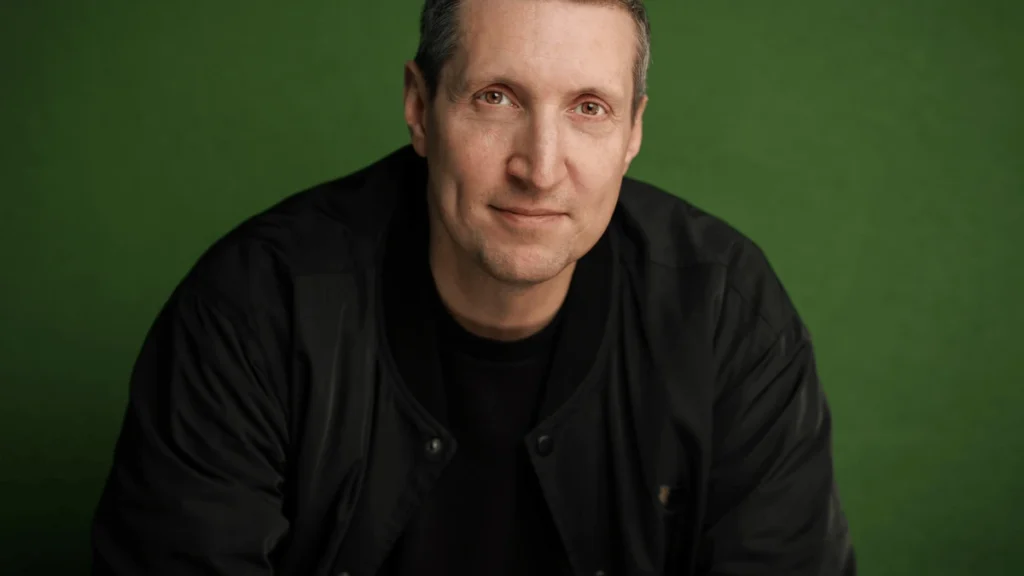
DistroKid president Phil Bauer, pictured above in a photo published by Music Ally, framed the launch as a response to demand. “The top request we’ve been getting from DistroKid members is for help collecting the music publishing revenue generated by their songs, something that has historically been very difficult for independent artists,” he said, as reported by MBW and Hypebot. “Through this partnership with Kobalt, we’re making it easier than ever for songwriters to collect the royalties they’ve earned, with just a few clicks from their DistroKid dashboard.”
What Independent Songwriters Should Check First
The first question is what is already being collected. The Music Network draws the key distinction between joining a PRO and appointing someone to administer publishing rights. DistroKid lists APRA AMCOS among its supported organisations, but the Australian society already collects some international royalties through reciprocal agreements, so members are advised to review their existing arrangements before registering the same songs again.
For a writer already signed to a PRO, DistroKid argues the service still fills gaps: it registers each song with the writer’s PRO automatically and collects the publisher share a writer-only registration can leave behind. For a self-releasing writer who has never registered anywhere, it is a single sign-up where there were once several.
The wider royalty system is growing, which makes the paperwork worth doing; half of CISAC’s record royalty growth came from one new data source. Money only reaches a songwriter when the song is registered correctly, and that registration is exactly what DistroKid is now selling.
Where DistroKid Publishing Fits in a Busy Year for DistroKid
The launch arrives four months after CVC Capital Partners agreed to buy a majority stake in DistroKid, a deal that closed in the third quarter, with Insight Partners keeping a significant minority stake, MBW reported. Create Music Group also holds a minority stake. Publishing joins a widening set of products beyond distribution, including DistroKid Direct for selling music and merchandise to fans and DistroVid for music videos, and Hypebot notes DistroKid bought the musician website builder Bandzoogle in 2023.
It also comes while DistroKid is being sued by Universal Music Group. In a complaint filed on 15 September in the US District Court for the District of Delaware, UMG alleges deceptive trade practices and copyright infringement, including claims about AI-generated tracks on streaming platforms. DistroKid rejects the claims. “We strongly dispute the allegations underlying UMG’s lawsuit,” Amanda Ferri, DistroKid’s vice president of artist services, said at the time, as MBW reported.
DistroKid, founded in 2013, says it distributes between 30% and 40% of all new music in the world and that more than 4 million artists use its services. If even a fraction of them qualify, DistroKid Publishing puts a $75 price on a question many of those artists have never asked: who is collecting for the songs, and not just the recordings?
About The Author